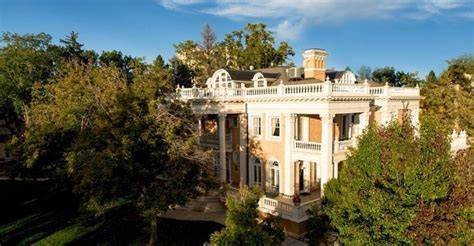

As you step into a luxury historic home or mansion for sale, you are not just entering a property; you are stepping back in time. These grand estates are not just buildings; they are living, breathing pieces of history, filled with priceless antiques and artifacts that tell a story of bygone eras. However, with great opulence comes great responsibility – safeguarding these antiques is crucial to preserving the integrity and value of these magnificent properties. From intricately carved furniture to dazzling chandeliers, each piece holds a piece of history that must be protected for future generations to appreciate.
Assessment of Antiques
When assessing antiques in luxury historic homes and mansions for sale, it is crucial to take a comprehensive approach to ensure their preservation and safeguarding. The assessment should involve a detailed examination of each antique item present in the property, considering factors such as age, condition, provenance, and historical significance.
One of the first steps in assessing antiques is to conduct a visual inspection to determine the overall condition of the items. This includes looking for any signs of damage, wear and tear, or restoration. It is important to document any existing issues as they may impact the value of the antiques and require special care and maintenance.
Provenance is another key aspect to consider during the assessment of antiques. Establishing the provenance of an antique item involves researching its history, previous owners, and any relevant documentation that can validate its authenticity. This information not only adds to the historical value of the item but also helps in determining its market worth.
Age is a crucial factor when assessing antiques, as it can greatly influence their value and significance. Older items are often considered more valuable due to their rarity and historical importance. Understanding the age of an antique item can also help in determining the appropriate conservation methods to preserve its integrity.
Historical significance plays a significant role in the assessment of antiques, especially in luxury historic homes and mansions. Items with a rich historical background or cultural importance are highly sought after by collectors and enthusiasts. It is essential to research the historical context of each antique item to fully appreciate its value and significance.
In some cases, it may be necessary to consult with experts or appraisers to assess the value of antiques accurately. Appraisers can provide valuable insights into the market value of antique items based on current trends, demand, and condition. Their expertise can help in determining the fair market value of antiques and ensuring they are properly valued during the sale process.
Case studies and examples of successful antique assessments can provide valuable insights into best practices for safeguarding antiques in luxury historic homes and mansions. By studying real-world examples of how antique items have been assessed, preserved, and valued, homeowners and sellers can gain a better understanding of the complexities involved in protecting these valuable assets.
Overall, the assessment of antiques in luxury historic homes and mansions requires a meticulous and thorough approach to ensure their preservation and safeguarding. By considering factors such as age, condition, provenance, and historical significance, homeowners and sellers can effectively protect these valuable assets and maintain their integrity for future generations to enjoy.
Security Measures
When it comes to safeguarding antiques in luxury historic homes and mansions for sale, security measures play a crucial role in protecting valuable assets from theft, vandalism, and damage. Implementing a comprehensive security strategy is essential to ensure the preservation and longevity of these priceless treasures.
One of the key security measures that can be implemented in luxury historic homes and mansions is the installation of a state-of-the-art alarm system. These systems are designed to detect any unauthorized entry or suspicious activity, alerting the homeowners or security personnel immediately. Modern alarm systems can be integrated with security cameras, motion sensors, and access control systems to provide enhanced protection for valuable antiques.
In addition to alarm systems, the use of surveillance cameras can also greatly enhance the security of luxury historic homes and mansions. Strategically placed cameras can monitor key areas of the property, such as entry points, hallways, and rooms where antiques are displayed. The footage captured by these cameras can serve as valuable evidence in the event of a security breach or attempted theft.
Access control systems are another important security measure that can be employed to safeguard antiques in luxury historic homes and mansions. These systems can restrict access to certain areas of the property, ensuring that only authorized individuals are able to enter. By implementing access control measures, homeowners can effectively protect their valuable antiques from potential threats.
Security personnel play a critical role in ensuring the safety and security of luxury historic homes and mansions. Trained security guards can provide round-the-clock monitoring and surveillance, deterring potential intruders and responding quickly to any security threats. Having a dedicated security team on-site can offer homeowners peace of mind knowing that their valuable antiques are being protected at all times.
In addition to technological security measures, physical barriers such as gates, fences, and secure locks can also be effective in preventing unauthorized access to luxury historic homes and mansions. These physical barriers can serve as a deterrent to potential intruders, making it more difficult for them to gain entry to the property and steal valuable antiques.
Regular security audits and assessments can help identify potential vulnerabilities in the security system of luxury historic homes and mansions. By conducting regular inspections and making necessary upgrades or improvements, homeowners can ensure that their security measures are up to date and effectively protecting their valuable antiques.
Overall, implementing a comprehensive security strategy is essential in safeguarding antiques in luxury historic homes and mansions for sale. By combining technological security measures, physical barriers, security personnel, and regular audits, homeowners can protect their priceless treasures and preserve the historical significance of their properties for generations to come.
Climate Control
Climate control is a crucial aspect of safeguarding antiques in luxury historic homes and mansions for sale. Maintaining a stable environment is essential to preserve the integrity and value of these valuable items. Fluctuations in temperature and humidity can cause irreversible damage to antiques, leading to deterioration, warping, cracking, or mold growth.
One of the key factors to consider in climate control is temperature. Ideally, the temperature in historic homes should be kept between 65-70 degrees Fahrenheit. Extreme heat or cold can cause materials like wood, textiles, and metals to expand or contract, leading to structural damage. It is important to invest in a reliable HVAC system that can regulate the temperature effectively throughout the year.
Humidity levels also play a critical role in preserving antiques. The ideal humidity range for historic homes is between 45-55%. High humidity can promote mold growth, decay, and corrosion, while low humidity can cause materials to become brittle and prone to cracking. Installing a humidifier or dehumidifier can help maintain optimal humidity levels and protect antiques from damage.
It is essential to monitor the climate conditions in historic homes regularly. Investing in a climate control monitoring system can help track temperature and humidity levels to ensure they remain within the recommended ranges. This system can alert homeowners to any fluctuations that may require immediate attention to prevent damage to antiques.
Proper insulation is another key factor in climate control for historic homes. Insulating windows, doors, and walls can help regulate temperature and humidity levels, reducing the risk of damage to antiques. Additionally, sealing any air leaks can prevent drafts that can impact the climate inside the home.
Case studies have shown the importance of climate control in preserving antiques in historic homes. The Biltmore Estate in North Carolina, for example, has implemented a sophisticated climate control system to protect its extensive collection of antiques and artworks. By maintaining stable temperature and humidity levels, the estate has been able to prevent damage and ensure the longevity of its valuable assets.
In conclusion, climate control is a critical aspect of safeguarding antiques in luxury historic homes and mansions for sale. By maintaining stable temperature and humidity levels, monitoring climate conditions regularly, and investing in proper insulation, homeowners can protect their valuable antiques from damage and preserve their historical significance for generations to come.
Insurance Considerations
When it comes to safeguarding antiques in luxury historic homes and mansions, insurance considerations play a crucial role in protecting valuable assets. Antiques are not only precious in terms of their historical and cultural significance, but they also hold substantial monetary value. As such, it is essential for homeowners to have the right insurance coverage to mitigate risks and ensure adequate protection.
One of the key considerations when insuring antiques in luxury historic homes is to determine the proper valuation of the items. It is important to work with appraisers who specialize in antiques and have a deep understanding of their worth. Accurate valuation is crucial for setting the right coverage limits and ensuring that antiques are adequately protected in case of loss or damage.
Another important aspect to consider is the type of insurance coverage needed for antiques in luxury historic homes. While standard homeowners insurance policies provide some coverage for personal property, including antiques, they may not be sufficient to fully protect high-value items. In such cases, homeowners may need to consider additional insurance options such as scheduled personal property coverage or a separate valuable items policy.
It is also important to review the terms and conditions of the insurance policy to understand what is covered and what is excluded. Some insurance policies may have limitations on coverage for antiques, such as restrictions on the types of perils covered or the amount of coverage provided. Homeowners should carefully review their policy and consider adding endorsements or riders to fill any gaps in coverage.
When insuring antiques in luxury historic homes, homeowners should also consider the risk of theft, damage, or loss during renovations or maintenance work. It is important to notify the insurance company of any significant changes or upgrades to the property that may impact the value of the antiques. In some cases, additional coverage may be needed during construction or renovation projects to protect antiques from potential risks.
In the event of a loss or damage to antiques, homeowners should be prepared to provide documentation and evidence of the items’ value. Keeping detailed records, including appraisals, receipts, photographs, and inventory lists, can help expedite the claims process and ensure that homeowners receive fair compensation for their losses.
Overall, insurance considerations are a critical aspect of safeguarding antiques in luxury historic homes and mansions. By working closely with insurance professionals, homeowners can ensure that their valuable assets are adequately protected and that they have the necessary coverage in place to mitigate risks and potential losses.
Preserving and safeguarding antiques in luxury historic homes and mansions for sale is essential to maintaining the historical integrity and value of these properties. From implementing security measures to conducting regular maintenance and restoration work, it is crucial for homeowners and real estate agents to prioritize the protection of these valuable assets. By enlisting the help of experts in the field of antique restoration and conservation, homeowners can ensure that their antiques are properly cared for and maintained for future generations to enjoy.
Furthermore, incorporating modern technology such as security cameras and alarms can provide an extra layer of protection against theft and vandalism. It is also important for homeowners to educate themselves on the proper handling and care of antiques, including the use of specialized cleaning products and techniques. Additionally, creating a detailed inventory of all antiques in the home can help in tracking and monitoring their condition over time.
In conclusion, safeguarding antiques in luxury historic homes requires a combination of proactive measures, expert guidance, and ongoing maintenance. By taking the necessary steps to protect these valuable assets, homeowners can ensure that their properties retain their historical significance and increase in value over time. Ultimately, preserving antiques in luxury historic homes is not only a sound investment strategy but also a way to honor and celebrate the rich history and heritage of these magnificent properties.