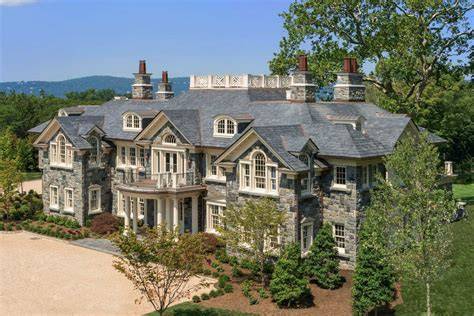

As you walk through the grand entrance of a historic mansion, you can’t help but feel the weight of centuries of stories and secrets that linger within its walls. The enchantment of luxury historic homes for sale is undeniable, drawing in buyers with a taste for the extravagant and a love for the past. From ornate chandeliers to intricate woodwork, every detail of these magnificent estates tells a tale of opulence and grandeur. Imagine sipping your morning coffee in a sunlit breakfast nook that overlooks sprawling gardens, or hosting lavish dinner parties in a dining room adorned with hand-painted frescoes. These historic homes are not just properties – they are portals to another era, where elegance and sophistication reign supreme. Whether you are a history buff, an architecture enthusiast, or simply someone with a penchant for the finer things in life, the allure of luxury historic homes and mansions is irresistible.
The History and Architecture of Luxury Historic Homes
Luxury historic homes are not just buildings; they are living pieces of history that tell stories of the past. The history and architecture of these homes provide a glimpse into the lifestyles, tastes, and values of the people who once inhabited them. From grand mansions built by industrialists to charming country estates owned by old-money families, each historic home has its own unique narrative to share.
One of the most fascinating aspects of luxury historic homes is their architectural styles. These homes often showcase a blend of different architectural influences, reflecting the various periods in which they were built or renovated. For example, a Victorian-era mansion may feature intricate details such as turrets, gables, and ornate moldings, while a Georgian-style estate may boast symmetrical facades, grand entrances, and classical columns.
Many luxury historic homes also exhibit exceptional craftsmanship and attention to detail. From hand-carved woodwork and stained glass windows to elaborate ceiling frescoes and marble fireplaces, these homes are a testament to the skill and artistry of the craftsmen who built them. Every room tells a story through its design, layout, and decor, offering a sensory experience that transports visitors back in time.
Moreover, the history of luxury historic homes is often intertwined with significant events and personalities. Some homes have served as meeting places for influential figures, while others have witnessed dramatic moments in history. For example, a mansion may have hosted lavish parties attended by royalty and celebrities, or a country estate may have been a refuge for political exiles during times of turmoil.
Preserving and restoring luxury historic homes is a labor of love that requires a deep appreciation for their historical and architectural significance. Many owners of these homes invest substantial time and resources into maintaining their properties, ensuring that they remain true to their original character while incorporating modern amenities for comfort and convenience.
In conclusion, luxury historic homes are not just real estate properties; they are living testaments to the past, showcasing the artistry, craftsmanship, and stories of generations gone by. The history and architecture of these homes offer a window into a bygone era, inviting us to step back in time and experience the enchantment of a bygone era.
The Appeal and Prestige of Owning a Historic Mansion
Owning a historic mansion is not just about owning a piece of property; it is about owning a piece of history. These grand homes have stood the test of time, each with its own unique story to tell. The appeal and prestige of owning a historic mansion are unparalleled, attracting buyers who are not just looking for a place to live, but a place to immerse themselves in the past and appreciate the craftsmanship and architectural beauty of a bygone era.
One of the main draws of historic mansions is the sense of grandeur and opulence that they exude. These homes were often built for wealthy families or prominent figures, showcasing their wealth and social status. From intricate detailing on the exterior to ornate interiors with high ceilings, grand staircases, and expansive ballrooms, historic mansions are a symbol of luxury and sophistication.
Furthermore, owning a historic mansion comes with a sense of exclusivity and rarity. These homes are often one-of-a-kind, with unique features and historical significance that set them apart from modern properties. The prestige of owning a historic mansion lies in the fact that they are a piece of living history, preserving the architectural styles and design aesthetics of a particular time period.
Historic mansions also offer a sense of connection to the past, allowing owners to immerse themselves in the stories and traditions of the people who lived in the home before them. From famous residents to historical events that took place within the walls of the mansion, each property has its own fascinating narrative waiting to be uncovered and appreciated.
Moreover, owning a historic mansion can be a smart investment opportunity. These properties are often in high demand among buyers who appreciate the value of preserving historical architecture and are willing to invest in maintaining and restoring these homes to their former glory. As a result, historic mansions tend to retain their value well over time, making them not only a piece of history but also a solid financial asset.
In conclusion, the appeal and prestige of owning a historic mansion are multifaceted. From the sense of grandeur and opulence to the exclusivity and rarity of these homes, owning a historic mansion is a unique experience that goes beyond mere property ownership. For those who appreciate history, architecture, and luxury, owning a historic mansion is a dream come true, allowing them to live in a piece of the past while creating new memories for the future.
Challenges and Considerations When Purchasing a Historic Property
Purchasing a historic property can be a dream come true for many luxury home buyers, but it also comes with its own set of challenges and considerations. Before diving into the world of historic homes and mansions, it is crucial to understand the unique aspects of buying a property with a rich history.
One of the primary challenges when purchasing a historic property is the extensive research and due diligence required. Unlike buying a newly constructed home, historic properties come with a myriad of historical, architectural, and preservation considerations. Buyers need to carefully examine the property’s historical significance, any restrictions or regulations imposed by preservation bodies, and the maintenance and renovation requirements to preserve the property’s character and integrity.
Another key consideration when buying a historic property is the potential for hidden issues and unforeseen costs. Due to the age of the property, there may be hidden structural issues, outdated electrical and plumbing systems, or environmental hazards such as lead paint or asbestos. Buyers should conduct thorough inspections and assessments to uncover any potential issues and budget accordingly for repairs and renovations.
Preservation and conservation regulations are also important factors to consider when purchasing a historic property. Many historic homes and mansions are subject to strict preservation guidelines imposed by local historic preservation boards or organizations. These regulations may restrict the types of modifications or renovations that can be made to the property, limiting the buyer’s ability to customize or modernize the home to their liking.
Financing can also be a challenge when purchasing a historic property. Lenders may be hesitant to provide financing for a property with unknown or potentially costly issues, making it more difficult for buyers to secure a mortgage. Additionally, insurance premiums for historic properties can be higher due to the increased risk of damage or loss associated with older buildings.
Despite the challenges and considerations involved in purchasing a historic property, many buyers are drawn to the unique charm, character, and prestige that come with owning a piece of history. Historic homes and mansions offer a sense of nostalgia and grandeur that is unmatched by modern properties, making them a coveted choice for luxury home buyers.
Overall, buying a historic property requires careful planning, thorough research, and a willingness to embrace the challenges and considerations that come with owning a piece of history. By understanding and addressing these factors, buyers can ensure a smooth and successful purchase of a luxury historic home or mansion.
Preservation Efforts and the Future of Historic Homes
Preservation efforts play a crucial role in ensuring the future of historic homes and mansions. These architectural treasures hold significant cultural and historical value, reflecting the stories of past generations and the evolution of architectural styles over time. Without proper conservation and maintenance, these properties are at risk of being lost forever, depriving future generations of their beauty and historical significance.
One of the key challenges in preserving historic homes is balancing the need for modern amenities with the preservation of original features and materials. Many historic homes are equipped with outdated infrastructure that requires extensive renovation to meet contemporary standards. Preservationists often face the dilemma of maintaining the integrity of the property while ensuring its functionality for modern living. This delicate balance requires careful planning and expertise to preserve the unique character of historic homes.
Historic preservation organizations play a vital role in safeguarding these architectural gems. These organizations work tirelessly to raise awareness about the importance of preserving historic properties and advocate for policies that support their conservation. They provide resources, guidance, and funding opportunities to property owners looking to restore and maintain their historic homes. By collaborating with preservationists, property owners can ensure that their homes are protected for future generations to enjoy.
One successful example of preservation efforts is the restoration of the Biltmore Estate in Asheville, North Carolina. Built by George Washington Vanderbilt II in the late 19th century, this grand estate is a prime example of Gilded Age architecture. The Biltmore Estate faced numerous challenges over the years, including financial difficulties and maintenance issues. However, thanks to a dedicated team of preservationists and the support of the public, the estate has been meticulously restored to its former glory, attracting thousands of visitors each year.
Another notable case study is the preservation of the Villa Vizcaya in Miami, Florida. This Italian Renaissance-style villa was built in the early 20th century by industrialist James Deering and features exquisite gardens, sculptures, and decorative arts. Over the years, the property fell into disrepair, facing threats from natural disasters and neglect. However, with the intervention of preservation organizations and public support, Villa Vizcaya has been restored and is now open to the public as a museum and cultural center.
Looking ahead, the future of historic homes relies on continued advocacy, education, and collaboration among preservationists, property owners, and policymakers. By raising awareness about the importance of preserving these architectural treasures, we can ensure that future generations will have the opportunity to experience the enchantment of luxury historic homes and mansions.
Overall, the article “The Enchantment Of Luxury Historic Homes and Mansions for Sale” highlights the allure and timeless appeal of owning a historic luxury home or mansion. It delves into the unique characteristics and features that make these properties so desirable, from their rich history and architectural details to their luxurious amenities and grandeur. The article emphasizes the exclusivity and prestige associated with owning a historic home, showcasing how these properties are not just places to live, but symbols of status and wealth.
Furthermore, the article underscores the investment value of purchasing a luxury historic home, citing their potential for appreciation over time and the opportunity to own a piece of history. It also touches on the challenges that come with owning a historic property, such as maintenance and preservation costs, but ultimately concludes that the rewards far outweigh the drawbacks.
In conclusion, the article paints a compelling picture of the enchantment of luxury historic homes and mansions for sale, capturing the imagination of readers and sparking a desire to own a piece of history. It serves as a reminder of the enduring appeal of these properties and the allure of living in a place that exudes charm, elegance, and sophistication.